AI in engineering covers how coding assistants and agents change the way software gets built, reviewed, and measured. These posts draw on a published January 2025 study of an AI coding assistant rollout across a 400+ engineer organization, where I was one of the researchers. Expect adoption patterns, the metrics that break first, and the second-order costs teams discover after the first quarter.
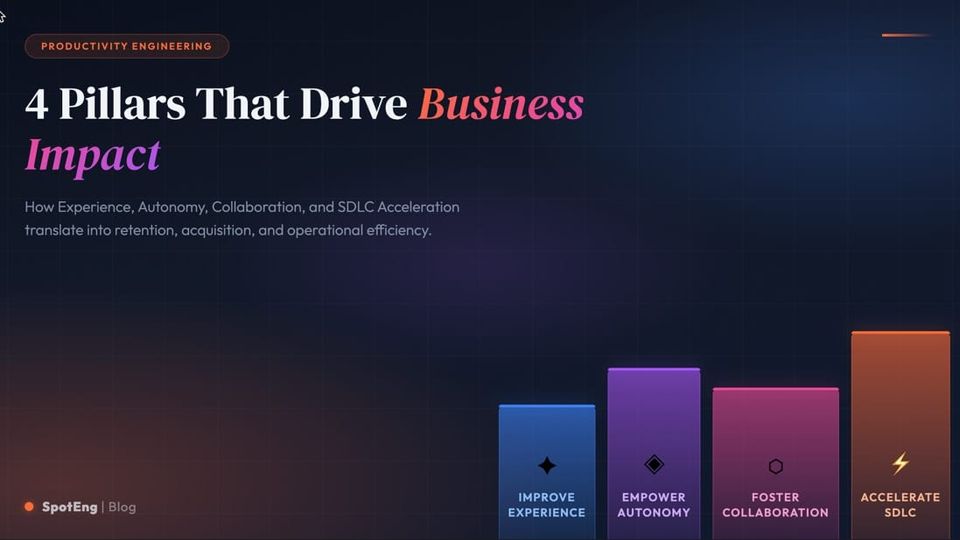
Four pillars: improve experience, empower autonomy, foster collaboration, accelerate the SDLC. Here is how each one maps to the three outcomes your business already tracks: retention, acquisition, and operational efficiency.
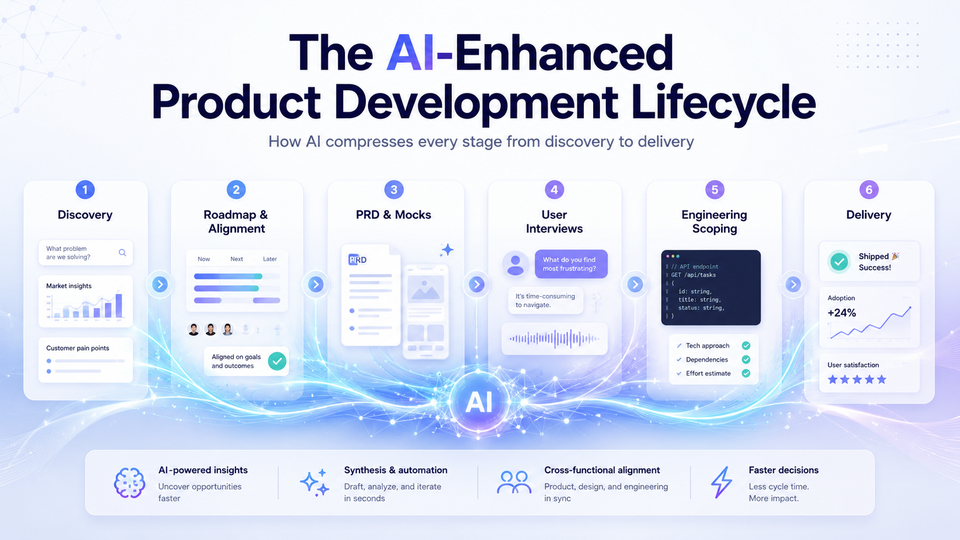
AI isn’t replacing product development - it’s compressing it. Learn how teams use AI across discovery, roadmap alignment, PRDs, user research, engineering scoping, and delivery to ship better products faster without sacrificing ownership or quality.
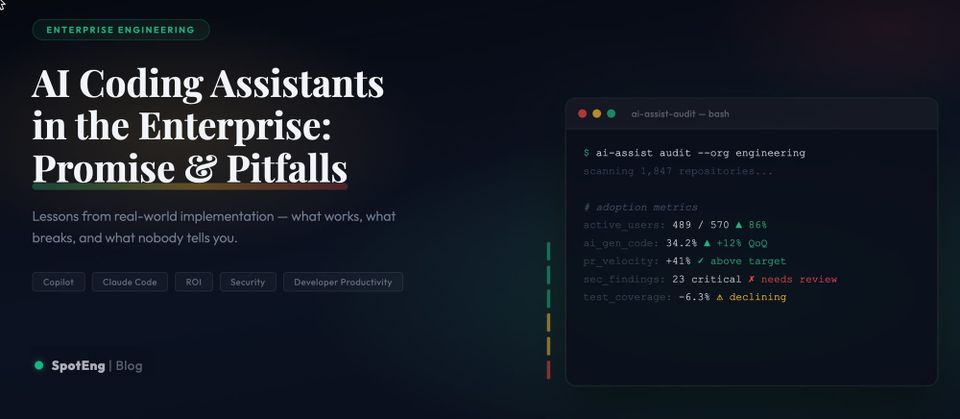
In a comprehensive new study published in January 2025, where I was also one of the researchers, some valuable insights rose from deploying an AI coding assistant across the engineering organization of 400+
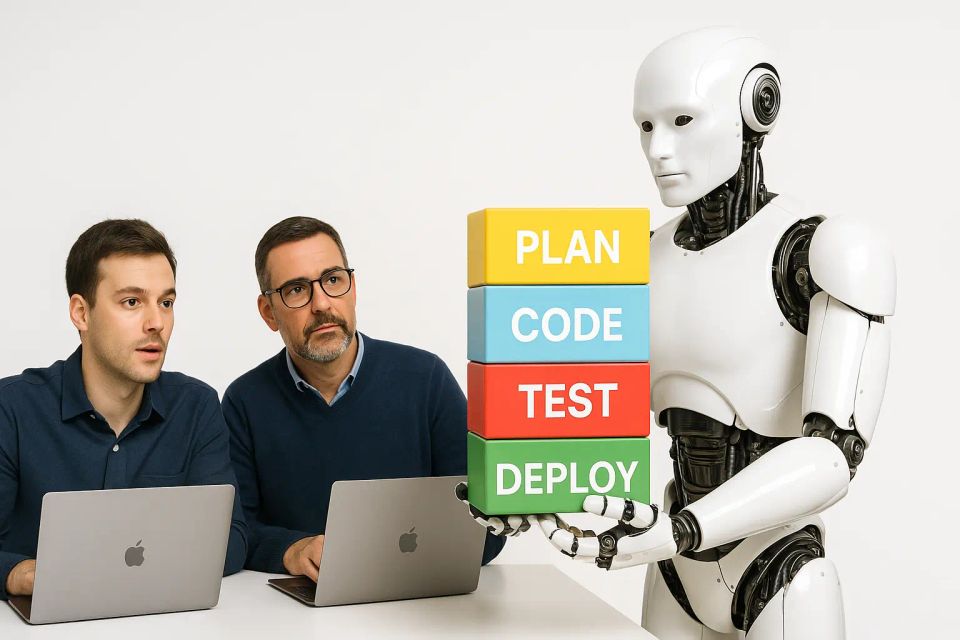
Imagine if every step of building software had a smart assistant helping out - That future is quickly becoming a reality. The Software Development Lifecycle (SDLC) – from initial planning all the way to monitoring
In modern software development, measuring productivity is critical to ensuring high-quality output while maintaining speed and efficiency. However, productivity should not be assessed in isolation—quality and efficiency must be balanced to