The software development lifecycle covers the stages a change moves through: discovery, design, implementation, review, testing, release, and operation. These posts trace where AI compresses each stage, where it shifts work sideways into review rather than removing it, and which lifecycle KPIs stay meaningful once agents write a growing share of the code.
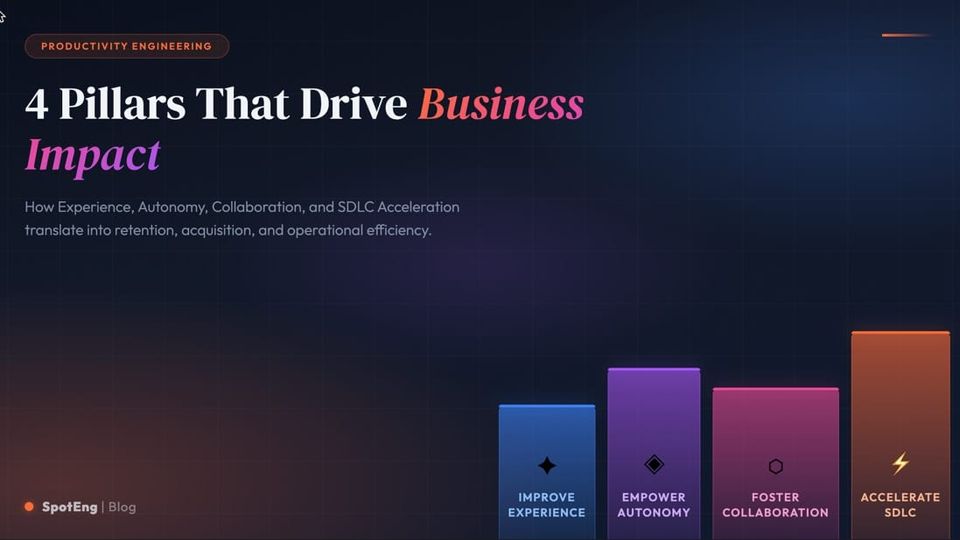
Four pillars: improve experience, empower autonomy, foster collaboration, accelerate the SDLC. Here is how each one maps to the three outcomes your business already tracks: retention, acquisition, and operational efficiency.
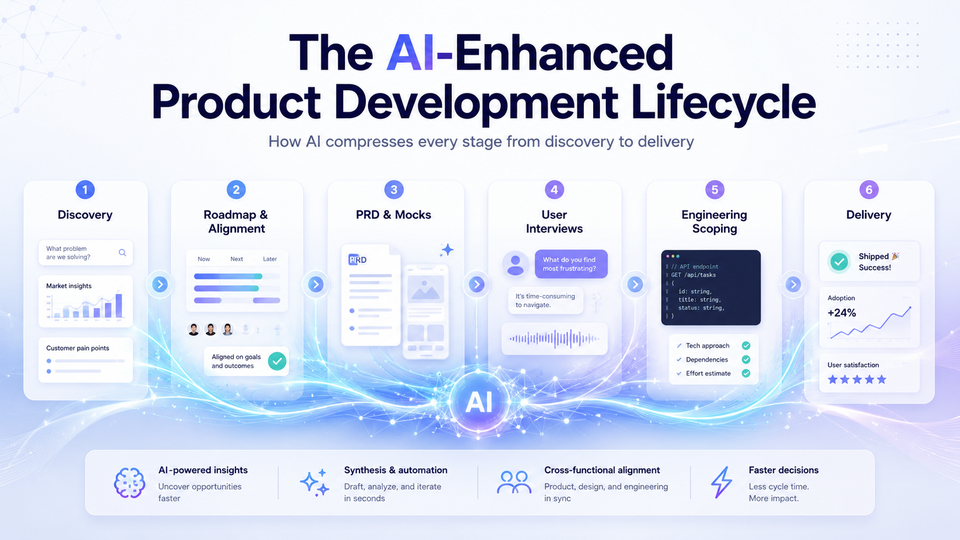
AI isn’t replacing product development - it’s compressing it. Learn how teams use AI across discovery, roadmap alignment, PRDs, user research, engineering scoping, and delivery to ship better products faster without sacrificing ownership or quality.
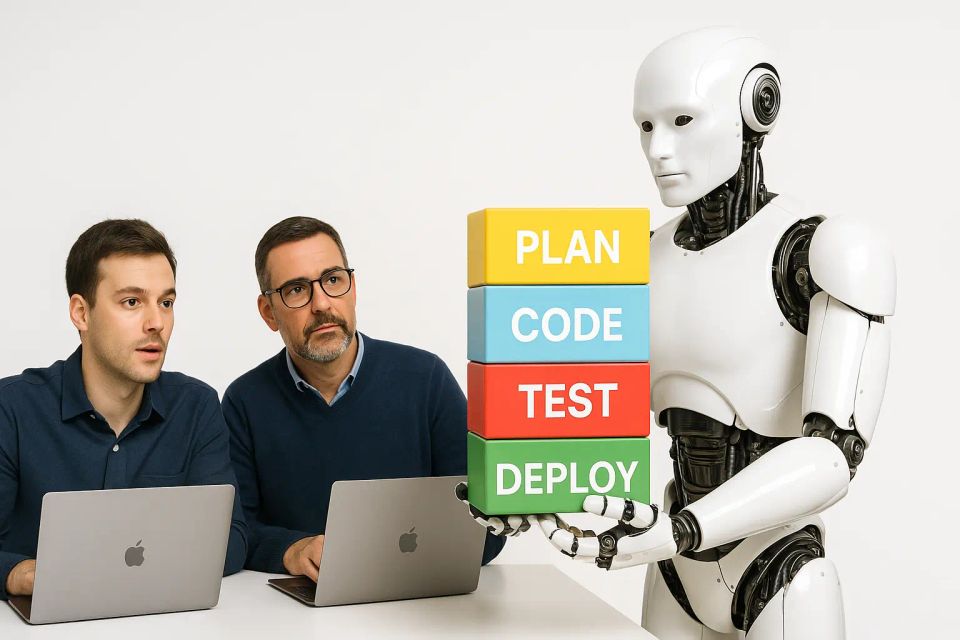
Imagine if every step of building software had a smart assistant helping out - That future is quickly becoming a reality. The Software Development Lifecycle (SDLC) – from initial planning all the way to monitoring
In modern software development, measuring productivity is critical to ensuring high-quality output while maintaining speed and efficiency. However, productivity should not be assessed in isolation—quality and efficiency must be balanced to